Britain’s waterways are enjoying an unexpected renaissance. Once the arteries of the Industrial Revolution, canals have now become a refuge for dreamers, adventurers, and anyone looking to escape city life for something slower and more scenic. Among those drawn to this world are buyers and travellers exploring the unique appeal of narrowboats — compact yet characterful floating homes that offer a fresh alternative to traditional living and travel.
The Timeless Appeal of Canal Living
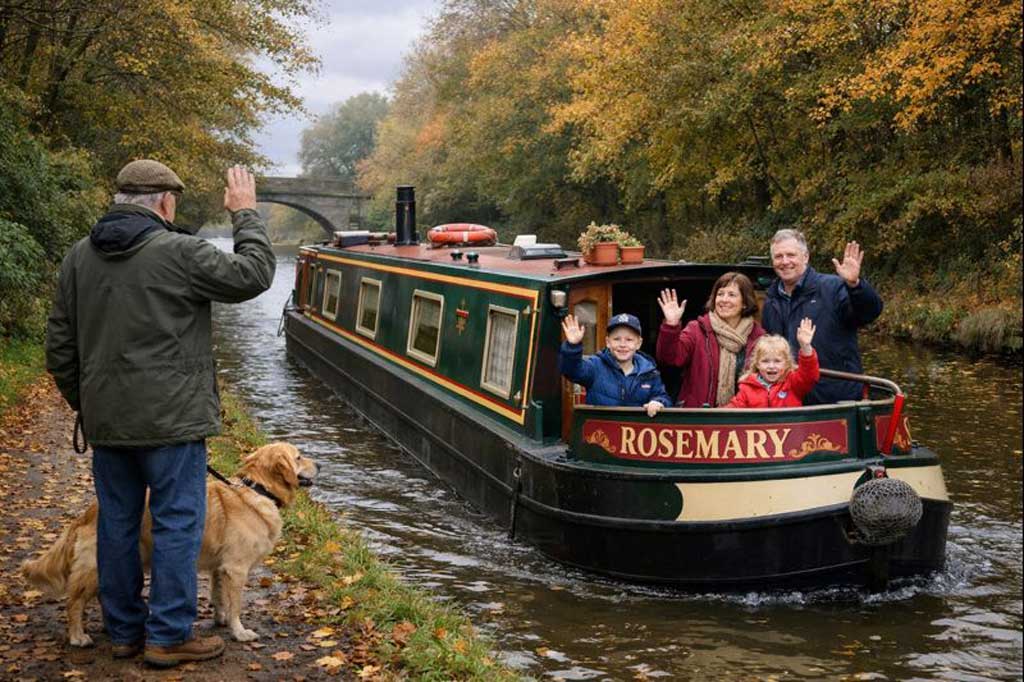
There’s something mesmerising about gliding through calm canals bordered by hedgerows, quaint bridges, and the occasional curious heron. The sight of a neatly painted narrowboat drifting by instantly evokes a sense of calm. For some, canal life means weekend breaks spent winding through the Heart of England or the Cotswolds. For others, it’s a full-time lifestyle that trades bricks and mortar for waves and willows.
Narrowboats vary in size and luxury — from modest vessels equipped with the basics to fully refitted floating homes with wood-burning stoves, Wi-Fi, and solar panels. Their charm lies in versatility. You can moor up in the heart of a historic town one day and wake up among countryside mist the next.
Why Narrowboats Are Gaining Popularity
Several trends have fuelled renewed interest in the UK’s narrowboat scene. Rising house prices and the desire for eco-conscious living have seen many people consider more unconventional housing options. In comparison with a house or flat, the cost of a narrowboat can seem refreshingly affordable — though it’s important to account for mooring fees, maintenance, fuel, and licences.
The appeal isn’t only financial. Narrowboats embody sustainability, freedom, and minimalist living, all of which resonate strongly with younger generations. Many modern narrowboaters adopt off-grid systems such as solar power, composting toilets, and rainwater collection. Meanwhile, digital connectivity allows a new wave of remote workers to take their jobs — literally — on the water.
Popular Routes and Hidden Gems
With over 2,000 miles of navigable canals in Britain, it’s easy to see why narrowboat holidays have surged in popularity. Some routes have become legendary in their own right. The Llangollen Canal in Wales offers dramatic mountain views and the thrill of crossing the Pontcysyllte Aqueduct — a UNESCO World Heritage Site that hangs high above the Dee Valley.
Closer to London, the Grand Union Canal attracts a vibrant community of continuous cruisers, artists, and commuters who prefer morning coffee on deck to a packed Tube carriage. If you seek tranquillity, the Caldon Canal near Stoke-on-Trent and the Kennet & Avon Canal stretching from Bristol to Reading are perfect for leisurely days filled with locks, wildlife, and canal-side pubs.
Buying or Hiring: Which Is Right for You?
If you’re tempted to dip your toes into canal life, hiring a narrowboat is the perfect first step. Short breaks allow you to test the waters without the commitment of ownership. Many hire companies offer beginner-friendly experiences, complete with onboard tuition.
For those considering buying, a second-hand narrowboat can cost anywhere from £30,000 to £100,000 depending on age and quality. It’s worth visiting a few marinas, speaking to owners, and exploring forums like Canal World or the Residential Boat Owners’ Association to get a feel for the lifestyle. Insurance, Boat Safety Certificates, and mooring arrangements are essential considerations before making the leap.
The Future of Narrowboat Living
While narrowboats have always been a nostalgic nod to Britain’s past, they’re also shaping a modern movement toward sustainable, slow living. Canal restoration projects continue across the country, and with each newly reopened stretch of waterway comes fresh opportunity for tourism, recreation, and renewal.
Ultimately, narrowboats symbolise something rare — a blend of heritage, freedom, and simplicity that feels increasingly precious in today’s fast-paced world. Whether you’re planning a holiday on the water or dreaming of swapping land for life afloat, one thing is certain: British canals, and the colourful craft that navigate them, are here to stay.
Featured image: AI generated.