Drones have moved from niche hobby to mainstream tool at remarkable speed. From aerial photography and surveying to agricultural monitoring and search and rescue, unmanned aerial vehicles are now used across a vast range of industries and leisure activities. But with that growth comes risk — and risk demands the right protection. UAV insurance is no longer an optional extra for serious operators; it’s an essential part of flying responsibly and legally in the UK.
Why UAV Insurance Matters
A drone in the wrong hands — or simply in the wrong place at the wrong time — can cause significant damage. Collisions with property, vehicles, or people can result in costly claims, and without adequate insurance, the financial consequences fall entirely on the operator. Even experienced pilots can encounter unexpected equipment failure, GPS errors, or sudden weather changes that lead to accidents beyond their control.
Beyond the financial risk, there’s a legal dimension too. Commercial drone operators in the UK are required by law to hold third-party liability insurance. Flying without it isn’t just risky — it’s illegal, and the consequences of an uninsured incident can be severe.
The Difference Between Hobby and Commercial Cover
Not all UAV insurance policies are the same, and the distinction between recreational and commercial use is an important one. Hobbyist pilots flying for personal enjoyment may find a degree of cover through certain membership organisations or home insurance policies — but this cover is often limited and may not apply in all circumstances.
Commercial operators — anyone using a drone to generate income, whether through photography, inspections, mapping, or any other paid service — require dedicated commercial UAV insurance. These policies are specifically designed to cover the risks associated with professional operations, including higher-value equipment, more frequent flying, and the greater liability exposure that comes with working in public or client-facing environments.
What a Good UAV Insurance Policy Should Cover
When evaluating UAV insurance options, there are several key areas of cover to consider. Third-party liability is the most fundamental — this covers damage or injury caused to third parties as a result of your drone operation. For commercial operators, a minimum of £1 million in liability cover is typically required, though many professional policies offer significantly higher limits.
Hull insurance covers damage to the drone itself, whether through crash, theft, or accidental damage. This is particularly important for operators flying high-value equipment where repair or replacement costs could run into thousands of pounds. Some policies also extend to cover accessories, cameras, and payload equipment, which can add considerable value to the overall package.
Factors That Affect Your Premium
UAV insurance premiums vary based on a number of factors. The type and value of equipment being flown is a key consideration, as is the nature of the operations being undertaken — flying over crowds or in urban environments typically carries higher risk than rural or controlled-airspace operations. Your experience as a pilot, any qualifications or certifications held, and your claims history will all also influence the cost of cover.
Obtaining a recognised qualification, such as a GVC (General Visual Line of Sight Certificate) from a CAA-approved National Qualified Entity, can demonstrate competence and may positively influence your policy terms. Keeping detailed flight logs and maintaining your equipment properly are also practices that responsible operators — and their insurers — will view favourably.
Staying Compliant as Regulations Evolve
The regulatory landscape for drone operation in the UK continues to develop. The Civil Aviation Authority sets the rules governing where, when, and how drones can be flown, and these requirements are subject to ongoing revision as the technology evolves and airspace becomes more complex. Staying informed about current regulations — and ensuring your insurance policy reflects your actual operations — is an ongoing responsibility for every UAV operator.
Working with an insurer that specialises in drone cover, rather than a generalist provider, gives you confidence that your policy is genuinely fit for purpose and that any claims will be handled by people who understand the specifics of UAV operation.
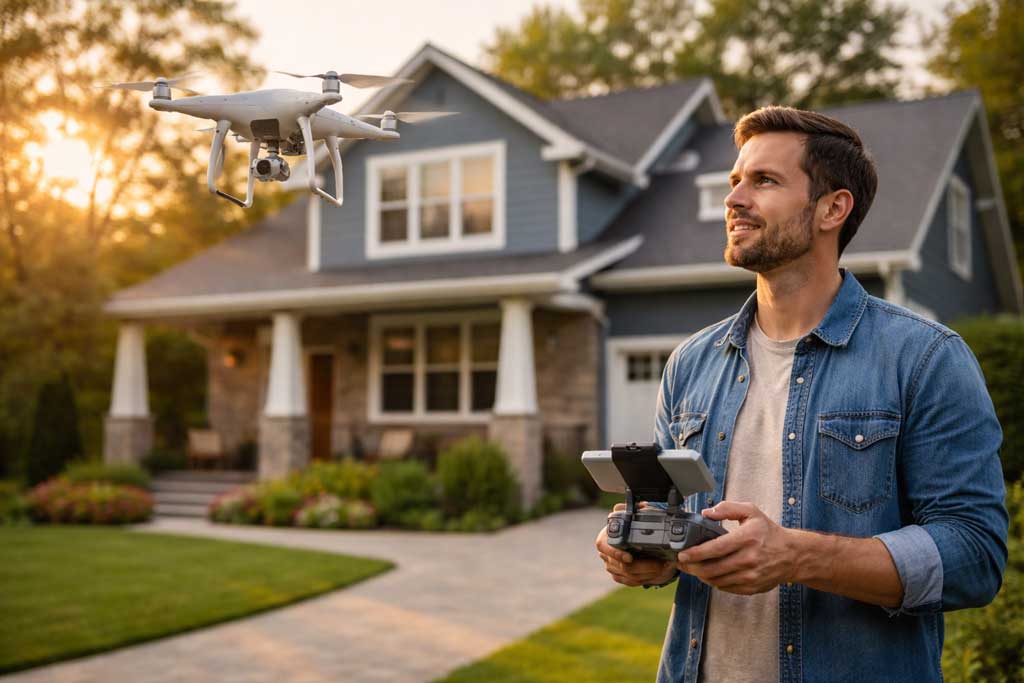
Featured image credit: AI generated.