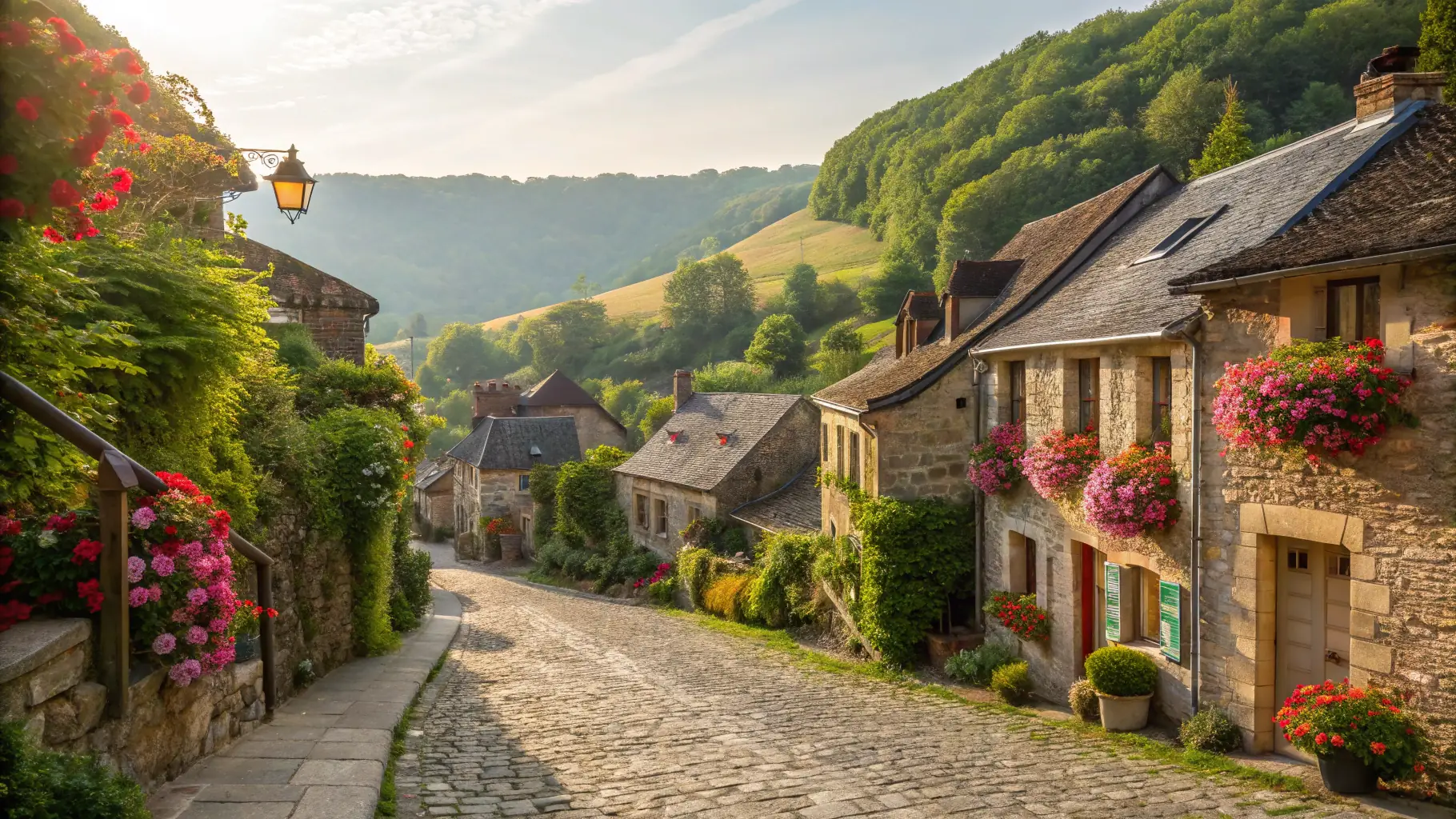
Stamford is often described as a postcard town, with handsome stone buildings, Georgian frontages and lanes made for a slow Saturday stroll. But the place works for more than its photogenic streets. Its daily rhythm matters just as much: school runs on foot, quick errands in the centre, coffee after the market, and the occasional detour by the river. In towns like this, housing choices shape more than skylines. They shape how people live day to day.
That is why conversations about development in Stamford are often more interesting than the usual “old versus new” row. The real question is whether newer housing can fit into an established town without flattening its character. People are not only looking for a roof and a parking space. They want to know if a home links sensibly to shops, green space, transport and the social life that gives a town its identity.
Seen in that light, interest in new build homes Stamford says something broader about changing expectations. Buyers and renters alike care more about practical efficiency, lower maintenance and layouts that suit hybrid working, but they do not always want to lose the texture of an older market town. Stamford is useful here because it shows that modern homes are often judged less on whether they are “traditional” and more on whether they support a satisfying local routine.
What people notice first
- How quickly you can reach the town centre without relying on the car
- Whether public spaces feel part of the neighbourhood rather than an afterthought
- If the development adds to local life instead of feeling sealed off from it
That may be the more interesting housing story in places like Stamford. It is not a battle between heritage and progress, but a quieter test: can new homes belong to a town with a strong sense of itself? When they do, the result is not just extra housing stock. It is a better chance of keeping lively towns genuinely liveable.
Featured image credit: AI generated.