Village shows, charity clay days and small game fairs often look wonderfully informal from the outside: a few gazebos, bacon rolls, raffle prizes and plenty of people who know one another by name. But behind that easy-going atmosphere, organisers are paying much closer attention to the practical risks of putting on countryside events.
Part of that comes down to scale. Gatherings that were once modest fundraisers can now pull in bigger crowds, visiting traders and a wider mix of activities. Add parking in muddy fields, temporary signs, borrowed equipment and volunteers juggling ten jobs at once, and it’s easy to see how a simple mishap can turn into a serious headache.
That has prompted more talk about paperwork many people would rather avoid. If an event includes a clay shoot, simulated game day or shooting demonstration, questions about responsibility and cover follow quickly. In that context, information on shooters insurance often sits on a broader checklist rather than as a niche concern. It’s less about bureaucracy for its own sake and more about making sure organisers, participants and landowners are clear on where they stand.
The hidden admin behind a good day out
Plenty of successful rural events now work on the basis that common sense needs proper planning behind it. That usually means checking:
- who is responsible for hired or borrowed kit;
- whether volunteers are covered for specific tasks;
- what happens if weather forces late changes;
- and how public access is managed around active areas.
None of this is glamorous, and it’s certainly not the part people post on social media afterwards. Yet it’s often why an event can feel relaxed in the first place. The best-run countryside gatherings still rely on trust and goodwill. They just no longer assume goodwill alone is enough.
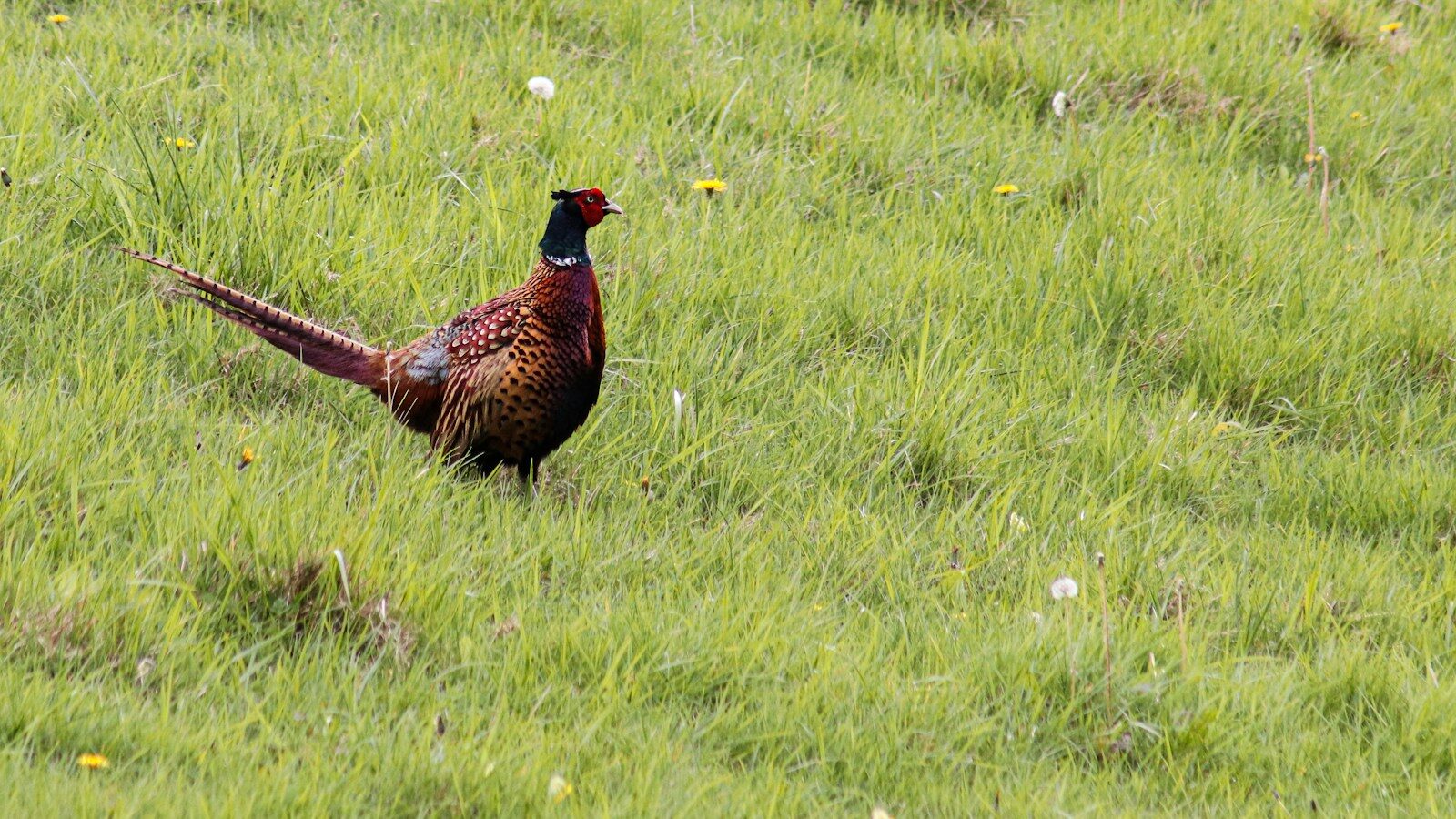
Photo by Different Resonance.