Anyone who has worked in a school, surgery, office block or civic building in January knows the strange geography of indoor comfort. One room feels tropical. The next has staff in coats, and somewhere in the middle a caretaker is fielding complaints from both sides. We tend to treat this as a minor workplace grumble, but it points to something larger about how many buildings are run: reactively, with a lot of guesswork and little visibility.
That matters because comfort is not just about preference. If a library is too cold, people leave sooner. If a care setting overheats overnight, sleep suffers. If a meeting room is stuffy by mid-afternoon, concentration drops. In older buildings especially, heating patterns often reflect old habits rather than how spaces are used now. A hall that once hosted evening events every day may sit empty for half the week, while newer extensions need a different approach.
One reason this conversation has moved beyond the maintenance cupboard is that modern building energy management systems can show the gap between assumption and reality. They do not simply cut bills. They help teams see when a building is warm, why it is warm, and whether that warmth is reaching the right places at the right times. For facilities staff under pressure, that evidence is often more useful than another round of thermostat disputes.
What better control can change
- Fewer comfort complaints from occupants
- Less heating wasted in empty or low-use areas
- Clearer data for maintenance planning
- More confidence when balancing cost with wellbeing
The shift is as much cultural as technical. Better building control encourages people to treat heating as a live operational issue, not a seasonal switch flipped in October and forgotten by spring. At a time when public and commercial buildings are being asked to do more with less, that feels less like a niche concern and more like common sense.
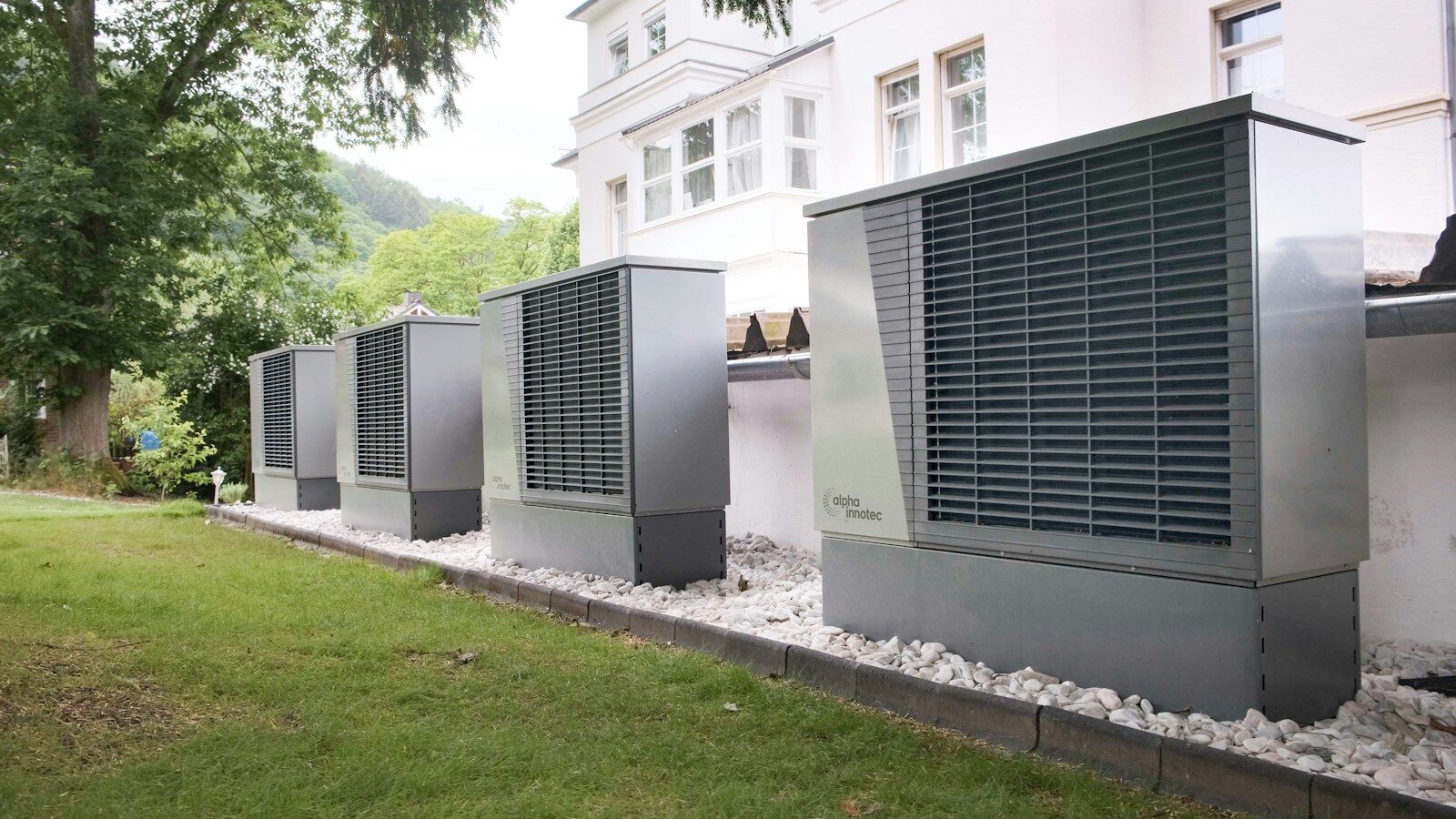
Photo by alpha innotec.