Walk through any modern neighbourhood in the UK today and you’ll likely spot homes with sharp, elegant exteriors that gleam under shifting light.
These aren’t futuristic concepts but real homes embracing the clean lines and bold textures of contemporary architecture. One of the most striking trends driving this visual shift is the growing use of metal cladding to create façades that balance style, durability, and sustainability.
Rather than blending into the background, homes finished with this material are making bold statements. Designers are turning to metal for its ability to reflect both natural light and architectural intent — producing exteriors that feel timeless yet distinctly modern.
A Material Built for the Future
Durability is one of the biggest reasons homeowners and architects alike are drawn to metal cladding. Unlike painted render or timber panels, metal requires minimal upkeep, resisting weathering, corrosion, and UV damage over time. For the British climate — with its mix of drizzle, frost, and unpredictability — it’s an excellent shield that maintains its finish year after year.
Aluminium, zinc, and steel are among the most popular choices, each offering unique properties. Zinc, for instance, develops a natural patina that protects it and adds character, while aluminium offers lightness and versatility in shaping. Steel, especially in corten form, delivers rustic tones perfect for blending modern structures with natural surroundings.
Adding Visual Drama and Depth
Metal cladding has also become a creative tool for shaping the personality of a home. Its reflective surface plays beautifully with light, changing a home’s appearance throughout the day. By alternating between textures, finishes, and profiles — from sleek panels to ribbed or perforated sheets — designers can craft exteriors that feel dynamic rather than static.
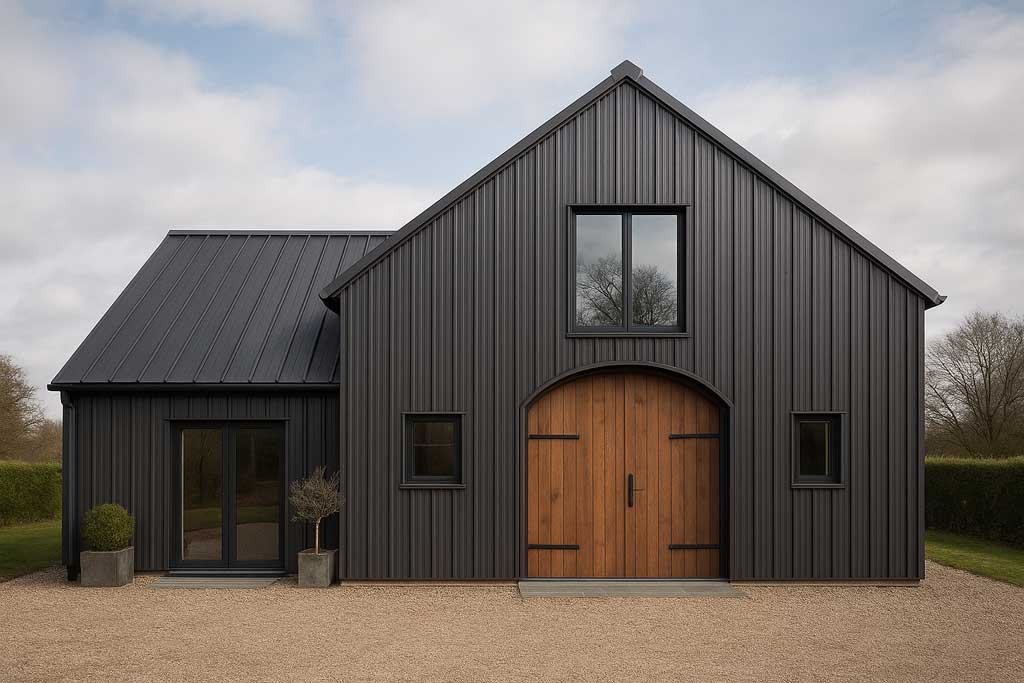
For homeowners who want a balance between bold and subtle, partial use of metal cladding is a sensible approach. Pairing metal panels with materials like timber or stone softens the aesthetic, creating warmth while still retaining that crisp, architectural edge.
Sustainability Meets Aesthetics
Sustainability and design excellence no longer live in separate worlds. Many forms of metal cladding are now produced using recycled content and are themselves fully recyclable at the end of their life cycle. This aligns neatly with the increasing demand for eco‑conscious design across the UK’s housing sector.
In addition, improved insulation systems mean that metal façades can contribute to energy efficiency when combined with proper thermal layers. That’s not just good news for the planet — it’s also good news for household heating bills.
Transforming Homes Beyond the City
While urban builds often showcase striking metal exteriors, countryside and coastal homes are embracing the trend too. In rural areas, designers are using muted metal tones that echo natural environments. The result is homes that stand out without clashing — blending innovation with a sense of place.
On seaside properties, metal cladding is especially practical. It can withstand salt spray and high winds better than many traditional materials, all while maintaining its structural integrity and style. The combination of resilience and elegance makes it a perfect choice for homes exposed to harsher environments.
A Design Choice That Speaks Confidence
Ultimately, the rise of metal cladding in modern home design signals a broader shift towards materials that perform as beautifully as they look. This trend isn’t just surface deep — it represents a practical, design‑forward response to the way we live today.
Strong, sustainable, and striking, metal offers homeowners the chance to build spaces that express individuality while standing the test of time.
Featured image credit: AI generated.